Renting vs buying ski gear
Boots cross over from renting to buying first and by the widest margin, at roughly a dozen days, because a rental boot is packed out into somebody else's shape and no other equipment compensates for it. Skis cross over between the fifteenth and twentieth day. Helmets and avalanche transceivers should always be bought new.
Renting against buying is not one decision, it is five or six decisions taken separately, and they cross over at wildly different points. Boots cross over first and by a huge margin. Skis cross over about fifteen days later. Avalanche equipment never rents sensibly at all. Working through them in the right order is the difference between a kit that gets used and a garage full of things that were bought too early.
Where each item crosses over
| Item | Rental cost per day | Buy at roughly | Crossover |
|---|---|---|---|
| Boots | $40 to $60 as part of a package | $250 to $450 fitted | About 8 to 12 days, and better on every one of them |
| Skis and bindings | $40 to $50 | $400 to $900 mounted | About 15 to 20 days |
| Helmet | $10 to $15 | $60 to $150 | About 6 to 10 days. Buy new, never used |
| Poles | Usually included | $55 | Immediately. They are cheap and they last |
| Snowboard and bindings | $45 to $55 | $400 to $700 | About 12 to 15 days |
| Touring setup | $60 to $90 where available | $2,200 and up | Well beyond 25 days, and rent for a first season regardless |
| Transceiver, probe, shovel | Sometimes rented with a course | $550 and up | Buy once you tour. It has to fit you and you must have practised |
Those rental figures are typical rather than universal and they vary a lot by resort and by whether you rent at the mountain or in town, which is usually cheaper. Use your own numbers, and the season budget calculator will put them alongside the pass and the travel so you can see the whole season.
<!-- gift-guides-xlink -->Why boots are different from everything else
Every other piece of equipment is chosen from a small number of sizes and works reasonably for anybody in that size band. A boot is not: it is a plastic shell fitted around the specific shape of your foot, with a liner that then moulds to it over the first several days.
A rental boot has been through hundreds of feet. The liner is packed out into an average of all of them, which is nobody in particular, and it is fitted in a five minute conversation by a person with a queue behind them. The results are the standard complaints: cold feet, shin bang, numb toes, a boot that feels vague, and a whole day spent thinking about your feet rather than the skiing.
That is why boots cross over first even though the arithmetic alone would put them close to a helmet. They are not just cheaper to own, they are meaningfully better to own, which none of the other items can claim to the same degree. Read the boot fitting guide before you spend anything: shell fit and mondopoint length are the two numbers that decide the outcome, and the mondopoint calculator converts your foot length into the only boot size that means anything.
Ski boots, at three budgets

Nordica The Cruise Mens All-Mountain Boots, 31.5 mondo
- Flex:
- About 70
- Last:
- Wide, comfort fit
- Size:
- 31.5 mondo
A soft flex and a generous last. This is the boot for someone whose first four ski days were ruined by rental boots, and comfort is not a compromise for a new skier: a boot you can stand in is a boot you will ski in all day.
Best for: A first pair, a wide foot, and green to blue terrain.
What it costs you: Too soft to drive a stiff ski, and it will feel vague as soon as you start skiing quickly. Note the size: boots are sold per size and this listing is one shell.
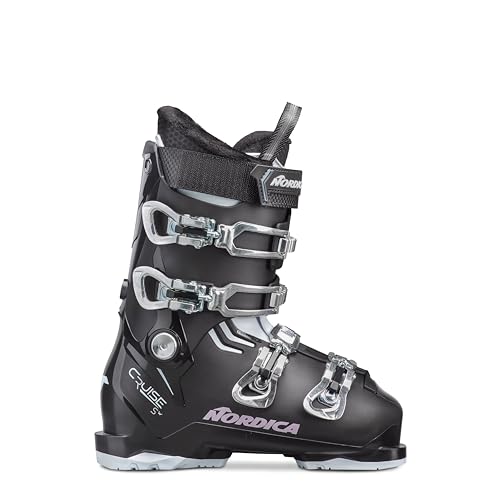
Nordica Cruise S W Womens All-Mountain Boots, 24.5 mondo
- Flex:
- About 65
- Last:
- Wide, comfort fit
- Size:
- 24.5 mondo
A lower cuff height and a softer flex, which are the two changes that genuinely matter in a womens boot and are not marketing. A cuff that is too tall bruises the shin and stops the skier bending the boot at all.
Best for: A newer skier with a wide foot, or anyone who has been fighting a shin bang.
What it costs you: Soft. It will not hold up under an advanced skier.

Rossignol Kelia 50 Womens Ski Boots
- Flex:
- 50
- Last:
- 104 mm, wide
- Level:
- Beginner
A very soft flex and a 104 mm last, which together make the easiest boot on this page to get into and to stand in. For a skier still learning, that is worth more than any performance claim.
Best for: A genuine beginner, and a wide or high-volume foot.
What it costs you: A 50 flex is the softest end of the market. Fast skiing will overwhelm it immediately.

Atomic Hawx Prime 100 Mens Ski Boots, 28/28.5 mondo
- Flex:
- 100
- Last:
- 100 mm, medium
- Shell:
- Heat mouldable
A 100 flex on a 100 mm last is the exact centre of the ski boot market, and it is the centre for a good reason: it fits the most feet and suits the most skiers. The shell is fully heat mouldable, so a bootfitter has real room to work.
Best for: An intermediate to advanced skier with an average-width foot, buying a boot to keep.
What it costs you: A 100 mm last is too narrow for a genuinely wide foot and no amount of punching fixes the wrong last.

Atomic Hawx Magna 100 Mens Ski Boots, 28/28.5 mondo
- Flex:
- 100
- Last:
- 102 mm, wide
- Shell:
- Heat mouldable
The same boot on a 102 mm last. This is the entry that solves the most real problems on this page, because a wide-footed skier is usually offered either a wide comfort boot with no performance or a performance boot that hurts, and this is neither.
Best for: A wide or high-volume foot that still wants a 100 flex.
What it costs you: A wider last gives up a little precision. A narrow foot will swim in it.

Head Edge 65 W HV Womens Ski Boots, 25.5 mondo
- Flex:
- 65
- Last:
- High volume
- Size:
- 25.5 mondo
A high-volume shell, which is the specification a lot of women get pushed past because the marketing assumes a narrow foot. Volume and width are not the same thing, and a high instep needs volume.
Best for: A womens fit with a high instep or a wide forefoot, skiing blues.
What it costs you: A 65 flex sits between beginner and intermediate. Strong skiers will want more.

Nordica Sportmachine 3 80 Mens Ski Boots, 29.5 mondo
- Flex:
- 80
- Last:
- 102 mm
- Liner:
- Heat mouldable
An 80 flex on a 102 mm last with a mouldable liner. That combination is the honest sweet spot for a skier who is past beginner and not yet aggressive, and it costs meaningfully less than a 100 flex boot.
Best for: A progressing intermediate who does not want to buy twice but is not skiing hard yet.
What it costs you: You will feel the flex limit if you keep improving. That is the trade for the price.

Atomic Hawx Magna 110 S Mens Ski Boots, 27/27.5 mondo
- Flex:
- 110
- Last:
- 102 mm, wide
- Shell:
- Heat mouldable
A genuinely stiff boot on a wide last, which is a combination the market barely offers. Most 110 and above boots are built on 98 to 100 mm shells, and a wide-footed advanced skier is usually left choosing between pain and vagueness.
Best for: An advanced skier with a wide foot who skis fast.
What it costs you: A 110 flex in a cold parking lot is genuinely hard to get into, and if you cannot bend a boot you cannot steer with it. Do not buy stiffness you cannot use.
Specifications are the manufacturer's published figures, not measurements we took. Sizes, prices and stock change constantly, so confirm on the retailer page before buying. We earn commissions from Backcountry and from qualifying Amazon purchases, and every link on this page is one or the other. Where a Backcountry button reads "shop the category" it opens a search for that category rather than that exact model, so it finds comparable gear alongside it.
Skis: the arithmetic and the quality argument
Skis cross over around the fifteenth to twentieth day on price alone. There is a second argument that is easy to miss: rental fleets are specified for durability, ease of maintenance and forgiveness across a wide range of guests, which means a rental ski is usually softer, heavier and less interesting than a mid-range ski you would buy.
The counterargument is real too. If your ability is changing quickly, a ski bought this season may be wrong next season, and a beginner who buys an expert ski has made learning harder for several years. Demo programmes exist precisely for this: pay a premium for a day on specific models, often with the cost credited against a purchase, and buy once you know what you like.
The two things to always buy new
A helmet. The liner absorbs impact by crushing, and it crushes once. A helmet that has taken a hard hit can be structurally spent with no visible damage, and there is no way to inspect for it. Buying a used helmet means trusting a stranger's account of a crash that may not have been mentioned. This is the one item in skiing where the used market is a genuinely bad idea.
An avalanche transceiver. It has a service life, its performance can degrade with age in ways you cannot see, and it is the piece of equipment where a failure has no recovery path. It also has to be one you have practised with, which is the larger point: avalanche gear only works alongside formal training, and it never substitutes for an avalanche course or for reading the regional forecast before every tour.
Helmets, at three budgets

OutdoorMaster ELK MIPS Ski Helmet
- Rotational:
- MIPS
- Certification:
- ASTM F2040 and CE EN1077
- Fit:
- Dial adjust
A certified helmet with a rotational-impact liner for under seventy dollars. There is no version of this decision where saving thirty dollars by skipping MIPS is the right call.
Best for: A first helmet, a spare, and kitting out a family.
What it costs you: Heavier and warmer than a premium shell, with cruder venting. You will notice on a spring afternoon.
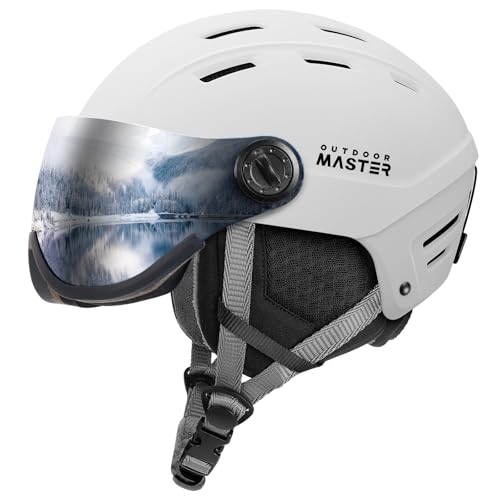
OutdoorMaster Ski Helmet with Detachable Visor
- Visor:
- Detachable
- Certification:
- ASTM F2040
- Use:
- Glasses wearers
A visor sits far enough off the face that prescription glasses fit under it without fogging against a goggle foam, which is the single most common complaint from skiers who wear glasses.
Best for: Glasses wearers and anyone who cannot get a goggle to seal on their face.
What it costs you: A visor is more exposed to scratches than a goggle lens and cannot be swapped as cheaply.

Giro Neo MIPS Snow Helmet
- Rotational:
- MIPS
- Construction:
- In-mould
- Fit:
- In Form dial
An in-mould shell from a helmet company, which buys real weight savings and better venting than an ABS hardshell at the same price. Fit consistency across sizes is where the established brands earn the money.
Best for: The default recommendation for most resort skiers.
What it costs you: In-mould shells take dings more visibly than hardshells. Cosmetic, mostly.
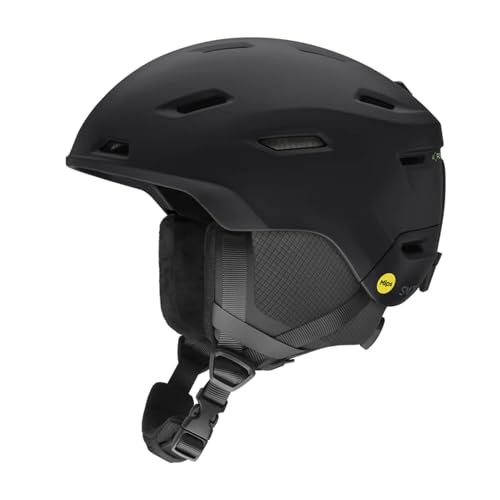
Smith Descend MIPS Helmet, matte black, large
- Rotational:
- MIPS
- Goggle:
- Smith integration
- Fit:
- Dial adjust
The goggle integration is the real argument: a helmet and goggle from the same maker leaves no gap on the forehead, and a gap there is the reason a lot of people ski with a cold stripe across their brow all day.
Best for: Anyone already in Smith goggles, and cold-weather resort skiing.
What it costs you: Priced well above the budget tier for a gain most skiers only notice in comfort, not in safety.

POC Fornix MIPS Ski Helmet
- Rotational:
- MIPS
- Shell:
- Aramid bridges, PC and EPS
- Fit:
- 360 degree adjust
Aramid bridges inside the liner spread load rather than letting the EPS crush locally. POC publishes more about its construction than almost anyone, which is the only honest basis for choosing a premium helmet.
Best for: A skier who wants the most protective construction available in a resort helmet.
What it costs you: Expensive, and every helmet on this page meets the same certification.

POC Obex BC MIPS Ski Helmet with RECCO
- Certification:
- Ski and climbing standards
- RECCO:
- Reflector built in
- Medical ID:
- NFC tag
Certified to both ski and mountaineering standards, so one helmet covers a bootpack with rockfall overhead and the ski down. The built-in RECCO reflector is a passive locator for organised rescue, and it is not a substitute for a beacon.
Best for: Touring and ski mountaineering, where a helmet has to do two jobs.
What it costs you: Do not read RECCO as avalanche safety. It only works with a rescue-service detector, which arrives long after a companion rescue would have mattered.
Specifications are the manufacturer's published figures, not measurements we took. Sizes, prices and stock change constantly, so confirm on the retailer page before buying. We earn commissions from Backcountry and from qualifying Amazon purchases, and every link on this page is one or the other. Where a Backcountry button reads "shop the category" it opens a search for that category rather than that exact model, so it finds comparable gear alongside it.
Bindings and the indemnified list
Bindings deserve their own note because there is a trap. Manufacturers publish an indemnified list each season, which is the set of models a shop is authorised to mount, adjust and test. A binding that has aged off that list may be refused by every shop in town, which leaves you owning a binding nobody will certify and no way to have a release value set on a jig.
That matters because a release value has to be set and verified by a certified technician on a calibrated jig, never at home, and never by carrying a number across from another setup. The mounting and DIN guide explains what the jig measures and why the number in the window drifts away from it over time.
Season leases, and children
A season lease rents a full setup for the whole winter, usually for roughly the cost of six to eight days of daily rental. For a child that is almost always the right answer, because they grow out of everything every season and a lease usually includes a swap when they do. For an adult in a first or second season it is a sensible hedge: you get consistent equipment all winter without committing to a purchase before you know what you want.
It is also the cheapest way to try touring. A complete backcountry setup is well over two thousand dollars, the requirements are unlike anything in resort skiing, and renting or borrowing for a first season is what the route into backcountry skiing recommends before you spend anything.
The order to stop renting in
- Boots. First, always, and by a wide margin. Get them fitted properly.
- Helmet. Cheap, crosses over fast, and rental helmets fit badly over your own goggles.
- Poles. Trivially cheap and they last a decade.
- Outerwear and layers. Rarely rented anyway, and a good shell outlives several skis.
- Skis or board. Once your ability has settled and you have demoed a few.
- Touring and avalanche kit. After a course, after a borrowed season, and never before.
That order is the same one the buying order guide argues for, and the first resort setup prices it with a running total so you can see what each step costs. If the pass decision is still open, the pass against tickets comparison is the other half of the same budget.
What to buy first if you decide to buy
Boots first, every time, because they are the only piece of equipment you are physically attached to and the only one a rental shop cannot get right for your foot. Something like the Atomic Hawx Magna 110 S shows what to look at: last width in millimetres decides the fit and is not adjustable, and flex is only a ranking within one brand. Skis come after that, and a system ski such as the Rossignol Arcade 80 Xpress removes the mount fee and the binding decision from a first purchase, at the cost of locking you into the binding it arrives with.
Frequently asked questions
What should I buy first rather than rent?
Boots, and it is not a close decision. A rental boot is a shell that has been in hundreds of other feet, with a liner packed out into somebody else shape, fitted in five minutes by a person with a queue behind them. It is the leading cause of miserable ski days by a wide margin, and no ski, board or lesson compensates for it. Renting boots costs roughly forty to sixty dollars a day, so a fitted pair of your own at around three hundred dollars crosses over inside about a dozen days, and improves every one of those days rather than merely being cheaper.
When does buying skis pay off?
Somewhere between the fifteenth and twentieth day for a typical setup, and later if you buy at the premium end. A ski and binding package runs from about three hundred dollars for a system ski to well over a thousand for a performance setup, and renting a decent ski costs roughly forty to fifty a day. There is a real quality argument alongside the arithmetic: rental fleets are chosen for durability and forgiveness rather than performance, and a mid-range ski you own is usually a better ski than anything on the rental wall. Demo days are the way to work out which one before committing.
Is it ever sensible to rent instead of buying?
Yes, in three situations. If you ski fewer than about five days a season, almost nothing crosses over except the boots. If you are travelling and would otherwise pay to fly with skis, renting at the destination is often cheaper and always simpler. And if you are learning, or your ability is changing quickly, renting or demoing means you are always on gear suited to where you are now rather than to where you were when you bought. A beginner who buys an expert ski has bought a ski that makes learning harder for several seasons.
What should I never buy used?
A helmet, always, and avalanche equipment in almost every case. A helmet liner absorbs impact by crushing and it crushes once, so a helmet that has taken a hard hit may be structurally spent with no visible sign at all, and you cannot inspect for it. A transceiver has a service life, ages in ways that affect range and reliability, and is the one item where a failure has no recovery. Bindings are the third category to treat carefully: a used binding may be outside its manufacturer indemnified list, and a shop can then refuse to mount or adjust it, which leaves you with a binding nobody will certify.
Is a demo or season-lease programme worth considering?
A season lease is often the best value option for children, and a reasonable one for an adult in a first or second season. Many shops rent a full setup for the whole winter for roughly the cost of six to eight days of daily rental, which crosses over quickly, and for a growing child it avoids buying equipment they outgrow in one season. A demo programme is different and serves a different purpose: paying a premium each day to try specific models, usually with the cost credited against a purchase. That is the sensible way to choose skis before spending a thousand dollars on them.
How much does owning gear actually cost per day?
Divide the purchase price by the total days you will use it before replacement, and add maintenance. A thousand dollar setup used ten days a season for four seasons is twenty-five dollars a day. The same setup at forty days a season is six. Add a wax every five days and an occasional shop tune, and the number barely moves. That amortisation is the strongest argument for owning: everything gets cheaper per day as the day count rises, so the frequent skier gets better value from equipment, from a pass, and from travel all at the same time.
How we choose: we compare published manufacturer specifications, published certification standards and verified owner reviews across retailers. We do not test equipment in person, and every figure quoted here is the manufacturer's published number unless we say otherwise. This is researched buying guidance and not professional instruction: binding release values are set by a certified technician on a calibrated jig, and avalanche terrain requires formal training and a current regional forecast that no article can replace.